

A washing machine draws about 4 to 10 amps on a standard 120V circuit, and the number swings hard depending on what the machine is doing at that instant. Fill and rinse are light — mostly a water valve solenoid and a pump. Agitation and spin are the motor doing real work, and spin is where the peak sits. A model with an internal water heater is the outlier: it can push past 15A on its own, which is the main reason spec sheets sometimes quote a much higher figure than what the machine draws most of the cycle.
The formula is simple: amps = watts / volts. US washing machines plug into a standard 120V outlet, not the 240V circuit used for electric dryers, ranges or central AC — so every watts figure below divides by 120, not 240. That distinction matters if you’re sizing a circuit, a generator, or a power station for one, because mixing up 120V and 240V math doubles the amps you think you need.
Top-load vs front-load
Front-load washers mostly use direct-drive, variable-speed motors with a soft electronic start. Running watts during the wash step typically sit in the 300-600W range, and spin — where the motor has to ramp the drum up to 800-1,400 RPM — can climb to 500-800W. Top-load washers, especially older ones with a gearbox transmission and an induction motor, tend to run higher: 500-1,200W during agitation is common, and the gear-driven spin step can spike above that for a moment as the transmission engages. Neither number stays constant for more than a few minutes at a time, which is the part flat “amp draw” claims usually miss.
What each stage actually pulls
Averaged over a full cycle, a washing machine’s real draw is far below its peak, because most of the cycle is fill, soak and drain — steps where the motor isn’t doing mechanical work at all. Here’s what a typical cycle looks like stage by stage, in one table rather than scattered across several:
| Stage | Typical watts | Amps at 120V |
|---|---|---|
| Fill (valve + control board) | 20 W | 0.2 A |
| Agitate / wash (front-load) | 450 W | 3.8 A |
| Agitate / wash (top-load) | 800 W | 6.7 A |
| Rinse + drain pump | 150 W | 1.3 A |
| Spin (high speed) | 700 W | 5.8 A |
| Internal water heater (sanitize cycle) | 1,800 W | 15.0 A |
Blend those stages across a 45-60 minute cycle and the average draw usually lands closer to 2-4A, even though the meter briefly touches 6-7A on spin. For appliances that behave the same way — steady low background load punctuated by short-lived spikes — see the full appliance wattage chart, or run your own numbers with the watts-to-amps calculator.
The spin-cycle surge
Motor start-up current is where the real surge lives, not sustained spin. Any motor pulls several times its running current for a fraction of a second as it comes up to speed — the same rule that applies to a fridge compressor or a power tool. A gear-driven top-load motor with a belt and heavier rotating mass tends to have a sharper, higher inrush than a modern inverter-driven front-load motor, which ramps up gradually by design. That inrush is brief enough that a standard 15A breaker rarely trips from it, but it’s why a generator or power station’s surge rating, not just its continuous rating, is what determines whether it can start the machine at all.
Hot wash doesn’t mean the washer heats the water
In nearly every US washing machine, “hot” and “warm” cycle settings just open the hot-water valve on the house’s own plumbing — the machine draws hot water from your water heater rather than heating it itself. That means choosing a hot wash over a cold one barely changes the washer’s own electrical draw; the water heater is a separate, much larger appliance doing that work on its own circuit. The exception is the small internal heating element some machines add for a sanitize or allergen cycle, shown in the table above. When that element is running it dominates everything else in the cycle, which is the one case where “how many amps does a washing machine use” genuinely means 15A rather than 4-10A. It also puts the washer on the same kind of dedicated-circuit territory as a dryer or a dishwasher — codes require a dedicated laundry circuit, usually rated 20A, precisely because motor loads like this don’t play well shared with other outlets.
Running a washing machine on battery power
A cold wash is realistic to run off a portable power station during an outage; a sanitize cycle with the internal heater engaged is not. Take a cold-wash cycle averaging roughly 400W over 45 minutes: that’s 400W x 0.75h = 300Wh of work. Running it through an inverter costs about 15% to losses, so the power station needs to supply roughly 300Wh / 0.85 = 353Wh of usable capacity to deliver that 300Wh to the machine. Here’s what that means for a few DC-battery power stations sized for the job — see the guide to sizing a power station for the full method:
| Power station | Usable capacity | Cold washes per charge* |
|---|---|---|
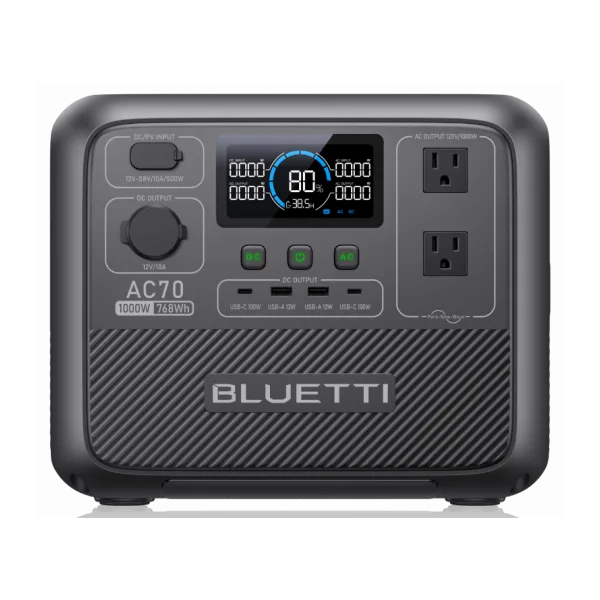 BLUETTI AC70 Portable Power Station BLUETTI AC70 Portable Power Station | 768 Wh | about 2 |
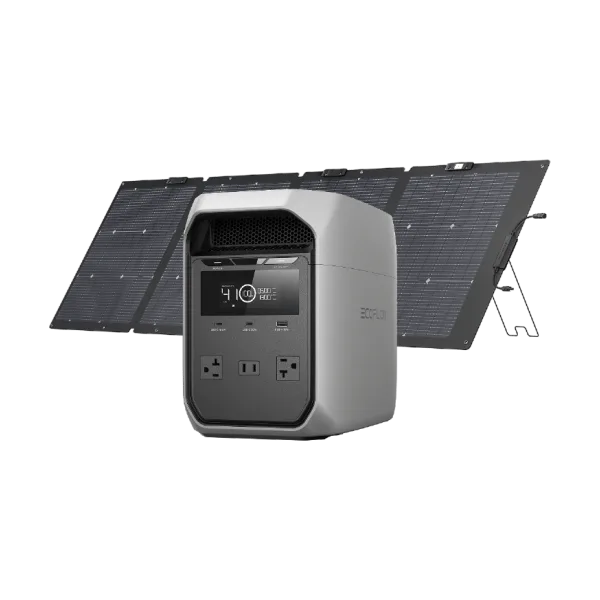 EcoFlow DELTA 3 Classic Solar Generator EcoFlow DELTA 3 Classic Solar Generator | 1,024 Wh | about 3 |
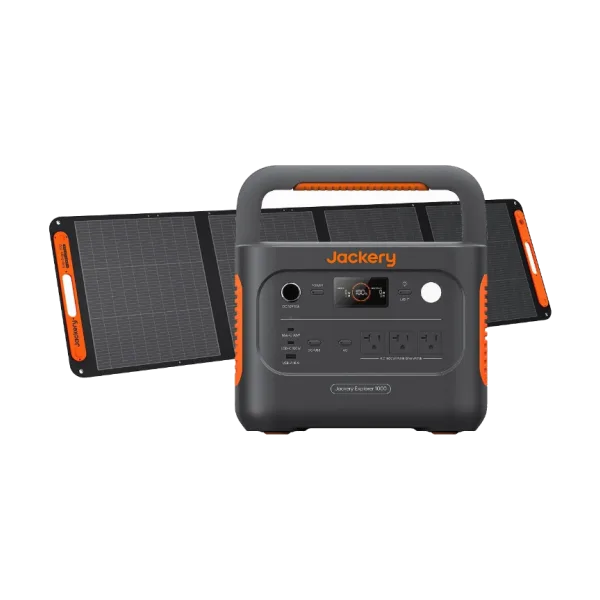 Jackery Portable Power Station Explorer 1000 v2 Jackery Portable Power Station Explorer 1000 v2 | 1,070 Wh | about 3 |
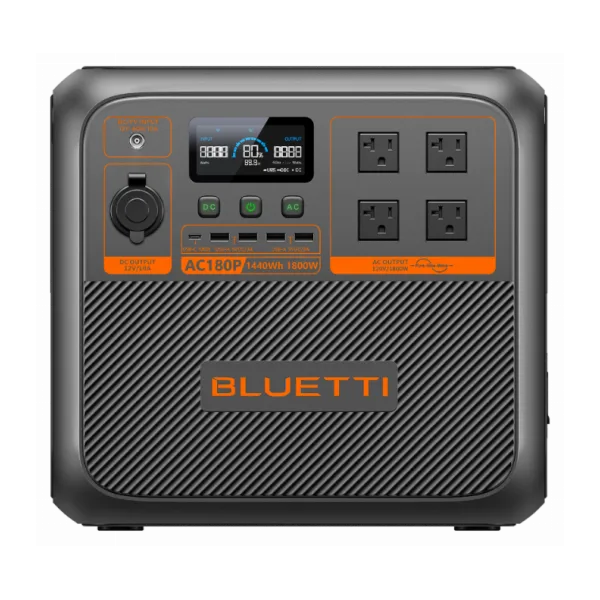 BLUETTI AC180P Portable Power Station BLUETTI AC180P Portable Power Station | 1,440 Wh | about 4 |
*Based on a 400W average load, a 45-minute cold cycle, and a 15% inverter loss — figures will run lower on a top-load machine’s heavier agitate stage and higher on an efficient front-load unit. All four units above list an AC output rated well past the roughly 700-800W spin-cycle peak from the earlier table, so the spike on spin isn’t the constraint — total capacity is. The BLUETTI AC180P Portable Power Station, at $649, has enough headroom for close to four cold loads before a recharge, which is the kind of margin worth having if the outage runs for days rather than hours. Check the power station finder to compare units against your own laundry routine and whatever else needs to run at the same time.
What a power station can’t do is turn a sanitize cycle into a realistic backup load. At roughly 1,800W continuous for the internal heater alone, on top of the motor and pump, that single stage can draw down even a 1,000Wh-class unit in well under an hour and asks more of the inverter’s continuous rating than most portable units are built to sustain for long. Plan outage laundry around a cold or warm cycle without the heater, and save the sanitize setting for when the power is back on.
How this page makes money. Some links here are affiliate links and we earn a commission if you buy through them — currently BLUETTI, ALLPOWERS, Mango Power, Renogy and MoonCool. Every other brand on this page is here because leaving it out would make the comparison useless to you, and we are paid nothing either way. Prices are each maker’s own list price at the time of writing and change often.