
The Best Commuter E-Bikes
Work out the watt-hours your commute actually needs, then shop to that number. Almost everything else is preference.
Start with the arithmetic, not the bikes
A commuter e-bike has one job: get you to work and back without you thinking about the battery. That makes it the easiest category to shop rationally, because the requirement is a number you can calculate in ten seconds.
On flat ground with moderate assist, budget 15Wh per mile. Hills, cargo or a heavier rider push it to 20 or 25Wh. Full throttle at Class 3 speeds can reach 30Wh. Take your round trip, multiply, then add a third — you never want to arrive on an empty pack, and capacity fades as the battery ages.
- A 10-mile round trip needs about 200Wh of usable capacity, so a 300Wh bike is plenty.
- A 20-mile round trip needs about 400Wh. Look for 500Wh and up.
- A 30-mile round trip over hills needs about 750Wh, or a spare battery.
Almost every commuter bike sold is comfortably over-specified for the commute its buyer actually rides. That is not a scandal, but it is worth knowing before you pay for capacity you will never use and then carry the weight of it twice a day.
The value pick
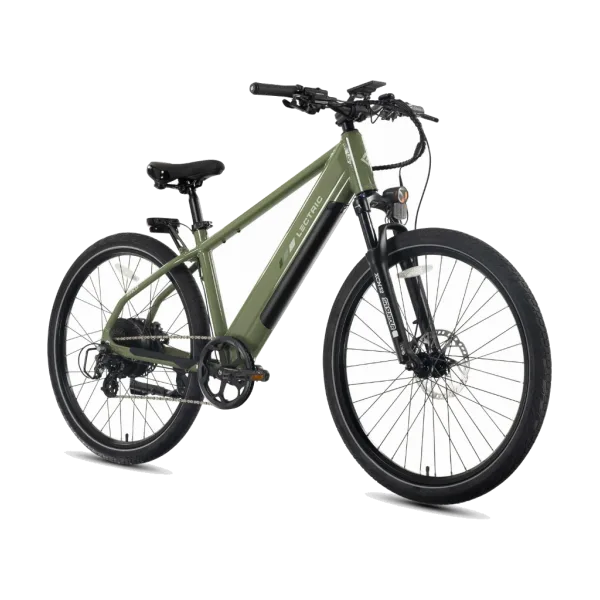
The Lectric XPress2 Commuter at $1,399 carries 672 Wh and a 750W rear hub. At that price the battery is generous, and Lectric ships more bikes in the United States than anyone else, which matters for parts and warranty in a category full of brands that disappear.
Below it, Lectric XP4 at $1,020 with 500 Wh is the cheapest sensible entry, and it folds — useful if the commute involves a train or a small flat.
The refined pick
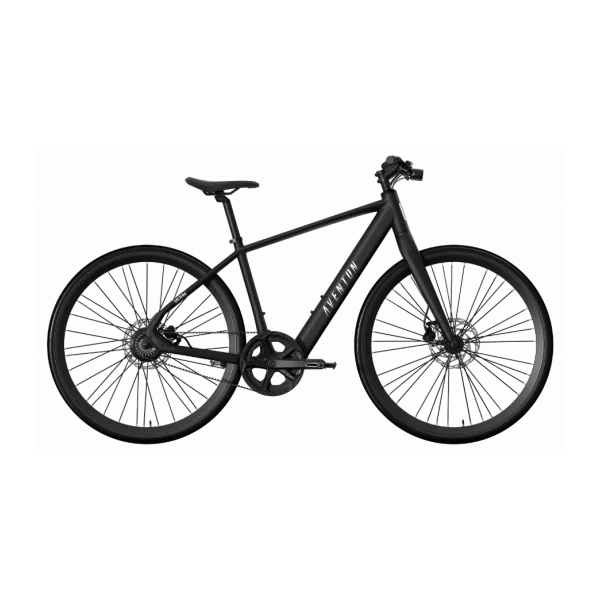
The Aventon Soltera 3 ADV is $1,499 and carries only 366.8 Wh, roughly half the Lectric. It also weighs 37lb, about half what a fat-tyre commuter weighs, and that is the entire argument. On a short urban commute you will never miss the capacity, and you will notice the weight every time you lift the bike over a kerb or up a step.
It is Class 1 with a 250W motor, so it is assist-only and cuts out at 20mph. For most city riding that is the right answer, not a compromise.
The long-commute pick
If your round trip is over 25 miles, capacity stops being optional. The Lectric XP4 750 at $1,311 carries 840 Wh, which covers a 30-mile day with reserve even on hills.
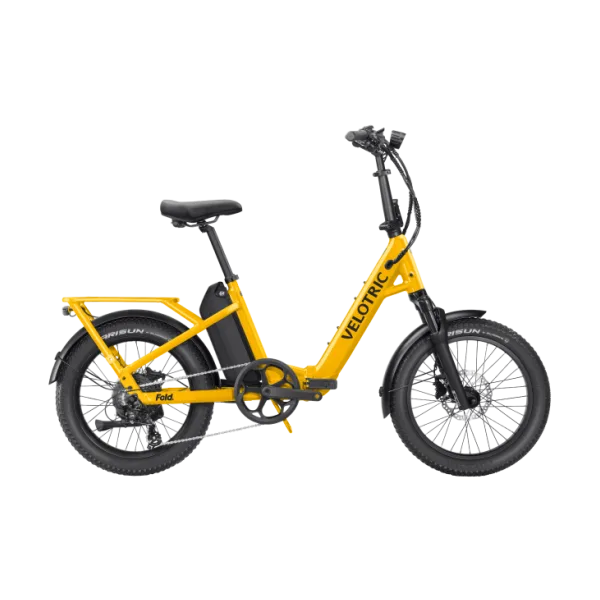
The Velotric Fold 1 Plus at $1,574 takes a different approach: 608 Wh, 63lb, a selectable class, and it folds. Selectable class is genuinely useful on a commute that crosses a boundary — ride Class 3 on the road, drop to Class 1 for a shared path.
What actually matters on a commuter
- Fenders and lights as standard. Adding them later costs more and looks worse. A bike sold without them is not really a commuter.
- A rear rack rated for what you carry. Panniers beat a rucksack on any ride over three miles.
- Hydraulic disc brakes. A 70lb bike at 20mph in the wet is a great deal of energy for a cable-actuated brake to deal with.
- A torque sensor if you can afford one. Cadence sensors deliver a fixed amount of assist the moment the pedals move, which feels like a shove. Torque sensors scale with your effort, which feels like a bicycle.
- UL 2849 certification. The whole-system standard, not merely a cell certification. This is the one specification worth being inflexible about.
Class 1, 2 or 3 for commuting
Class 3, assisting to 28mph, sounds like the obvious commuter choice and often is not. It is restricted from many shared paths, requires a helmet in a number of states, and the extra speed costs real battery: 28mph consumes roughly twice the watt-hours per mile that 18mph does.
If your route is roads, take Class 3. If it involves a bike path or a park, Class 1 or a switchable bike will save you an argument.
Weight is the specification nobody reads
Commuter e-bikes run from about 37lb to over 90lb. Nothing on the spec sheet affects daily life more. A 37lb bike can be carried up a flight of stairs and lifted onto a car rack by one person. A 90lb bike cannot, and if you live above the ground floor or park anywhere that is not at street level, that single fact will decide whether you keep riding it.
Heavier bikes are heavier because of fat tyres and big batteries. Both are worth having if you need them, and neither is worth having if you do not.
Common questions
Do I need a licence? In most US states, no. A bike meeting the three-class definition is treated as a bicycle. Rules vary by state, and anything faster than Class 3 may not qualify at all.
Can I ride it in the rain? Yes. Almost all are rated IPX4 or better, which covers rain but not immersion. Do not jet-wash the motor and do not charge a wet port.
How long does charging take? Three to seven hours from empty on a standard charger. Most commuters top up rather than run flat, which is also better for the pack — keeping a lithium battery between 20% and 80% noticeably extends its life.
How this page makes money. Some links here are affiliate links and we earn a commission if you buy through them — currently BLUETTI, ALLPOWERS, Mango Power, Renogy and MoonCool. Every other brand on this page is here because leaving it out would make the comparison useless to you, and we are paid nothing either way. Prices are each maker’s own list price at the time of writing and change often.