
The short answer
OUPES is the cheaper energy — $0.37 per watt-hour at the median against $0.51, a difference of 1.4×.
Which is not the same as the better buy. What that gap pays for, and where it stops being worth it, is below.
Head to head
| BLUETTI | OUPES | |
|---|---|---|
| Units we track | 16 | 5 |
| Median cost per Wh | $0.51 | $0.37 |
| Cheapest per Wh | $0.34 | $0.34 |
| Dearest per Wh | $1.86 | $0.68 |
| Internal spread | 5.5× | 2.0× |
| Median capacity | 1,152Wh | 2,048Wh |
| Price range | $119 – $1,899 | $489 – $1,149 |
| LiFePO4 share | 94% | 100% |
| Median cycle rating | 3,500 (n=15) | 3,500 (n=4) |
Medians rather than averages, because one flagship distorts a mean badly at these sample sizes, and every figure carries the number of units behind it. Expansion batteries are excluded from both sides.
What separates them
BLUETTI is the range with the widest spread, from genuine bargains to flagships that cost more per watt-hour than anything else on the market. OUPES is the value play, with a small range that undercuts almost everyone and correspondingly less brand safety.
The spread figures are the ones worth dwelling on. BLUETTI ranges 5.5× in cost per watt-hour across its own range and OUPES ranges 2.0×. Where the gap inside a brand is wider than the gap between the two brands, “which brand” is the wrong question and “which model” is the right one.
The cheapest way into each
| Brand | Model | Capacity | Price | Per Wh |
|---|---|---|---|---|
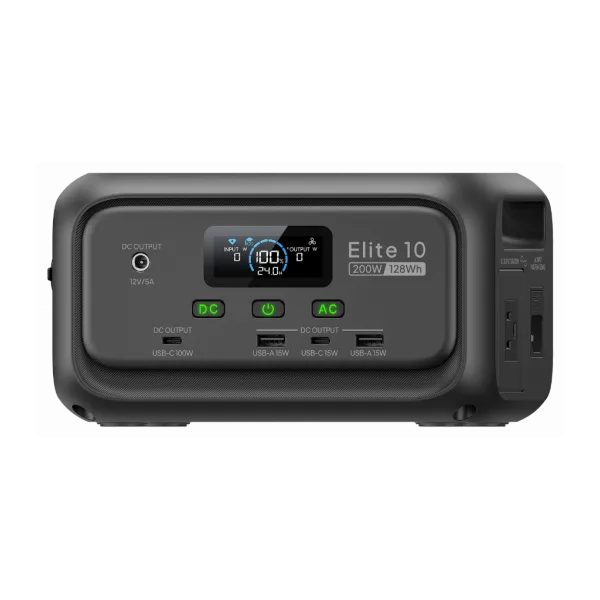 BLUETTI BLUETTI | BLUETTI Elite 10 Mini | 128Wh | $119 | $0.93 |
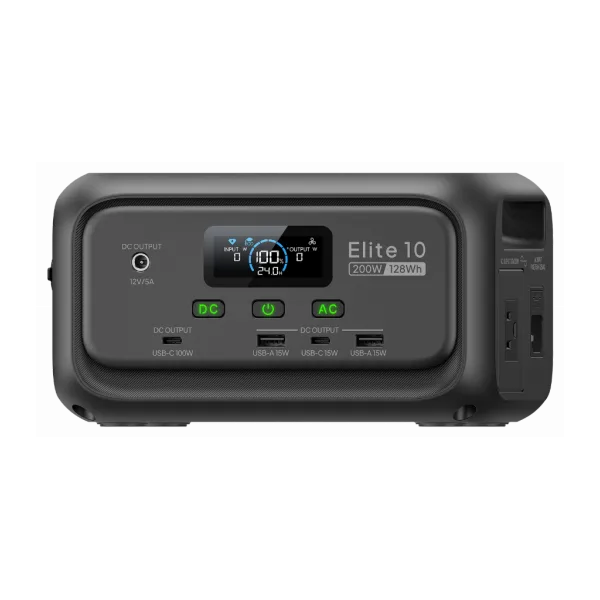 BLUETTI BLUETTI | BLUETTI Elite 10 Mini Power Stations (Set of 2) | 128Wh | $238 | $1.86 |
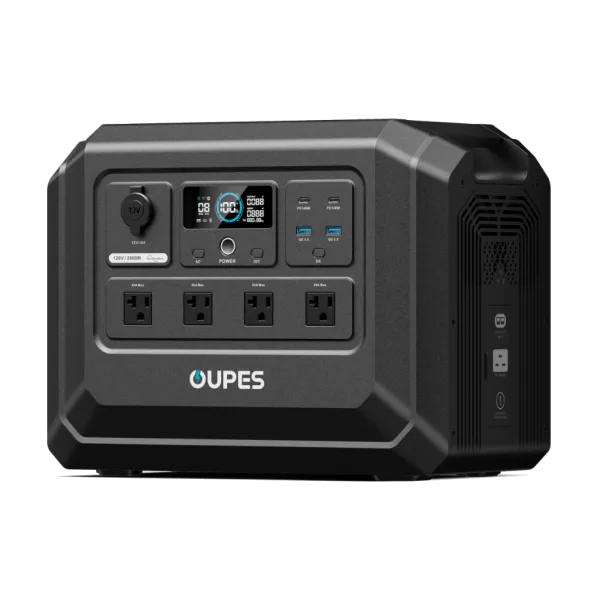 OUPES OUPES | OUPES Mega 1 Lite Home Backup & | 1,024Wh | $489 | $0.48 |
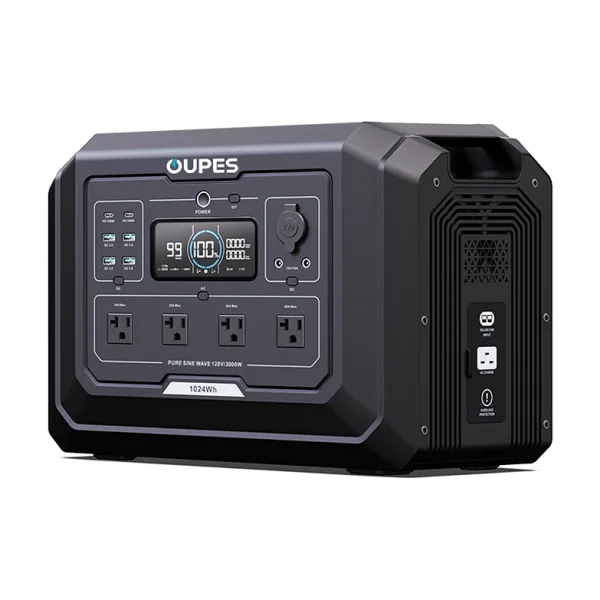 OUPES OUPES | OUPES Mega 1 Home Backup & | 1,024Wh | $699 | $0.68 |
Manufacturer prices at the time of writing. We may earn a commission on some links, which never changes the ordering — it is by price throughout.
Which should you buy?
- Buy OUPES if cost per watt-hour is the deciding factor and you are comfortable with a smaller range and a less established support network.
- Buy BLUETTI if you want the breadth — more sizes, more accessories, easier resale — and you accept paying 1.4× per watt-hour for it.
- Ignore both if the model you actually need sits in another range. The finder scores the whole catalogue against your load rather than one brand at a time.
Questions
Is OUPES actually cheaper, or just smaller?
Cheaper per watt-hour, which is the comparison that survives different sizes. Median capacity is 1,152Wh for BLUETTI and 2,048Wh for OUPES, so the ranges are not far apart on size — the difference is in what each watt-hour costs.
Do they use the same battery chemistry?
BLUETTI is 94% LiFePO4 across the units we track and OUPES is 100%. Where both are at or near 100%, chemistry is not a differentiator any more and cycle rating is the thing to read instead. Our explainer covers what that means in use.
Which holds its value better?
We do not track resale prices, so this page will not pretend to answer that. The structural point is that a larger range with wider distribution generally has a deeper second-hand market, which favours BLUETTI here.
How we work these out
Every figure is computed from the catalogue of 458 products we track, using the manufacturers’ own published prices, capacities, chemistries and cycle ratings. Only self-contained power stations count: expansion batteries carry a capacity and would flatter whichever brand sells more of them. Rows priced impossibly against their capacity are excluded as data errors. Where a manufacturer publishes no figure, that unit is left out of that measure rather than estimated, which is why the cycle row shows its own sample size. See the price index for the same method applied to the whole market.