
Top pick
Anker SOLIX C800 — 768Wh at $314, giving about 4 hr 21 min on e-bike charger.
The cheapest unit we track that carries this load with headroom and still finishes the job. Alternatives, and the sizing behind the pick, are below.
Manufacturer price at the time of writing. We may earn a commission, which never changes what the figures say.
The short answer
Yes, comfortably. An e-bike charger is a small, steady load, and unlike a fridge it stops when the job is done. That makes this one of the few cases where you can size a power station exactly rather than guessing at a duty cycle.
What it actually draws
- E-bike batteries are commonly between 400Wh and 750Wh. Check the label on your own battery, because that number is the whole calculation.
- Chargers for those batteries typically draw 100W to 200W from the wall, so almost any power station with a real AC inverter will start one.
- Charging is lossy at both ends. Budget roughly 30% more than the battery rating: a 600Wh battery is about 780Wh of work for the power station.
Working figure for this page: 150W for e-bike charger, and 600Wh to cover one full charge of a typical 600Wh e-bike battery.
What size you need
| If you want | Energy needed | Buy at least |
|---|---|---|
| 4 hours | 600Wh | 800Wh rated |
| 8 hours | 1,200Wh | 1,500Wh rated |
| 12 hours | 1,800Wh | 2,200Wh rated |
| 24 hours | 3,600Wh | 4,300Wh rated |
The third column adds the 15% the inverter loses turning DC into AC. Buying to the middle column is the most common sizing mistake, and it leaves you short every time.
What to buy
| Model | Capacity | Output | Runtime at 150W | Price | Per Wh |
|---|---|---|---|---|---|
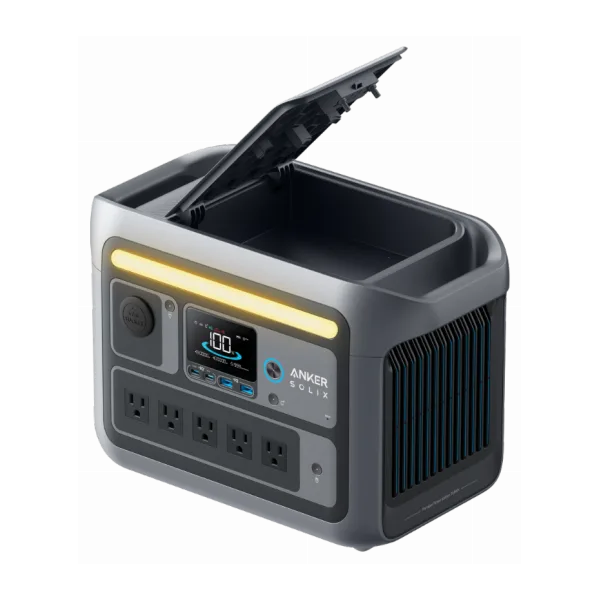 Anker SOLIX C800 Anker SOLIX C800 | 768Wh | 1,200W | 4 hr 21 min | $314 | $0.41 |
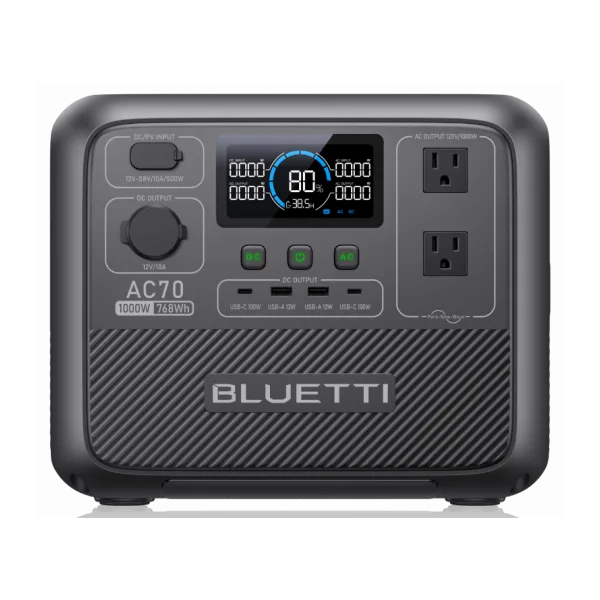 BLUETTI AC70 BLUETTI AC70 | 768Wh | 1,000W | 4 hr 21 min | $359 | $0.47 |
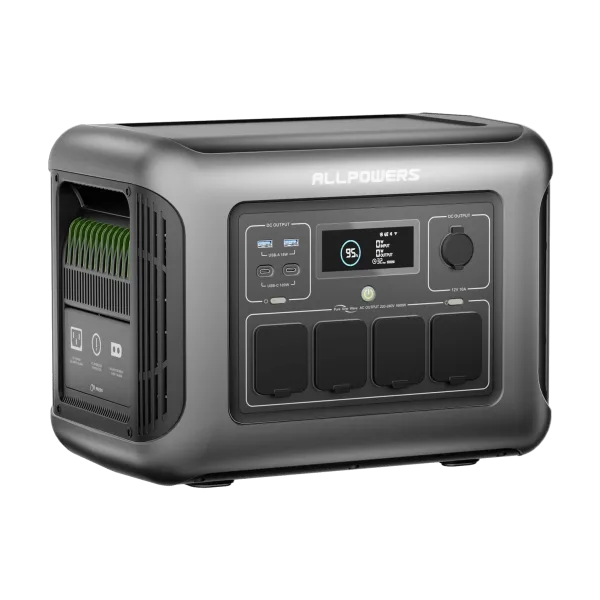 ALLPOWERS R1500 LITE ALLPOWERS R1500 LITE | 1,056Wh | 1,600W | 5 hr 59 min | $389 | $0.37 |
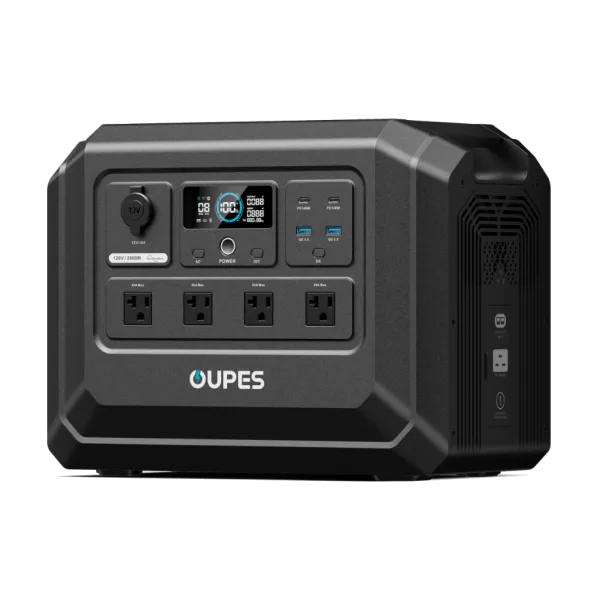 OUPES Mega 1 Lite Home Backup OUPES Mega 1 Lite Home Backup | 1,024Wh | 2,000W | 5 hr 48 min | $489 | $0.48 |
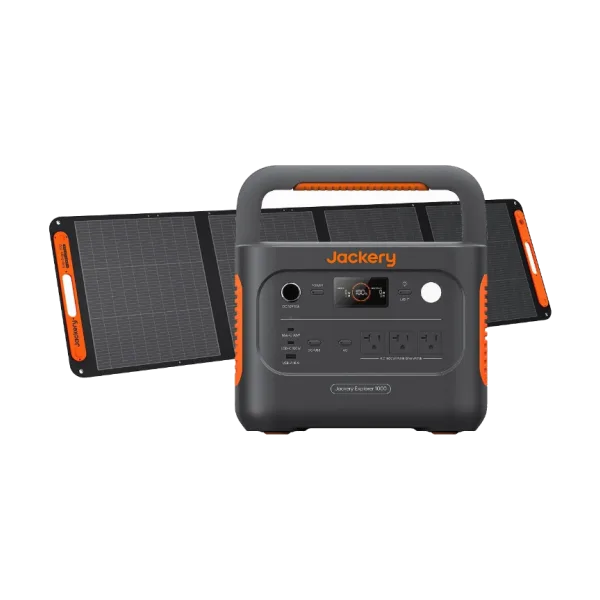 Jackery Explorer 1000 v2 Jackery Explorer 1000 v2 | 1,070Wh | 1,500W | 6 hr 4 min | $519 | $0.49 |
Cheapest first, one model per brand, filtered to self-contained power stations whose inverter carries this load with headroom to spare and whose battery finishes the job. Expansion batteries are excluded even where the numbers would qualify them, because they do nothing without a host unit. Anything that could not finish the job was left out rather than listed with a warning attached.
Questions
Will a power station charge my e-bike overnight?
Easily, and the limit is capacity rather than time. A charger drawing about 150W takes roughly four hours to move 600Wh into a battery, so an overnight window is far more than you need. Size for the watt-hours, not the clock.
Can I charge the bike and run other things at once?
Yes, provided the total stays under the inverter rating. A 150W charger alongside a laptop and some lights is still under 300W, which every unit on this page carries without complaint.
Is it cheaper than charging from the wall?
No. You are paying for portability, not for cheaper electricity, and every round trip through a battery loses energy. This is for places where there is no socket.
How we work these out
Runtimes are capacity multiplied by 0.85 and divided by the load, the same arithmetic used on every review and comparison page on this site, so the numbers agree wherever you meet them. Capacities, outputs and prices are the manufacturers’ own, held in the catalogue of 458 products we track. The load figures are the standard draws this site uses throughout rather than measurements of your particular appliance, so treat them as a starting point and check the label on anything you depend on.