

Top pick
Anker SOLIX PowerHouse 522 — 299Wh and 300W at $118.
The cheapest unit we track that genuinely belongs in this bracket. The full shortlist, and what the label actually means, are below.
Manufacturer price at the time of writing. We may earn a commission, which never changes what the figures say.
The short answer
Lithium iron phosphate lasts three to six times longer than the lithium-ion chemistry it replaced, runs cooler, and tolerates being left at full charge. It is heavier for the same capacity, which is the one real trade, and it has become the default in every bracket above the smallest. If a unit at this price does not say LiFePO4, ask why.
Why the chemistry changed
| LiFePO4 | Older lithium-ion (NMC) | |
|---|---|---|
| Typical cycle life | 3,000–6,000 | 500–800 |
| Years at weekly use | Roughly 8 to 15 | Roughly 1.5 to 3 |
| Energy per kilogram | Lower | Higher |
| Tolerates sitting at full charge | Yes | Degrades faster |
| Thermal behaviour | More stable | Less stable |
The trade is weight against lifespan, and for anything that is not carried on your back the lifespan wins easily. That is why 81 of the 112 self-contained units we track now use it.
Under 600Wh — carry anywhere
| Model | Capacity | Output | Chemistry | Price | Per Wh |
|---|---|---|---|---|---|
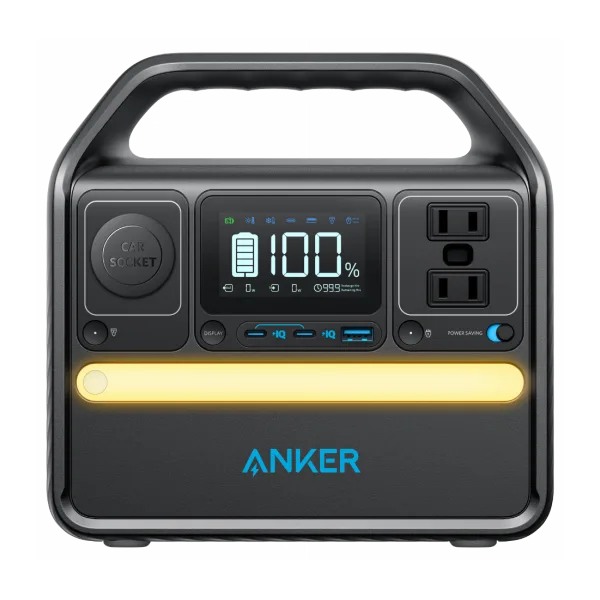 Anker SOLIX PowerHouse 522 Anker SOLIX PowerHouse 522 | 299Wh | 300W | LiFePO4 | $118 | $0.39 |
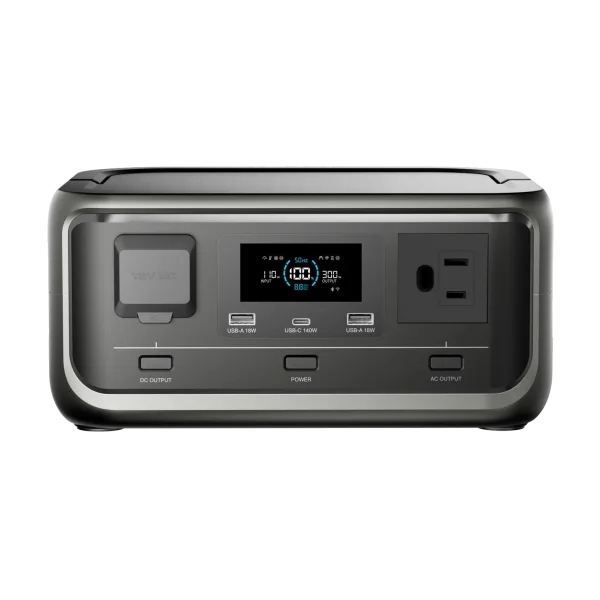 ALLPOWERS VOLIX P300 300W 256Wh ALLPOWERS VOLIX P300 300W 256Wh | 256Wh | 300W | LiFePO4 | $119 | $0.46 |
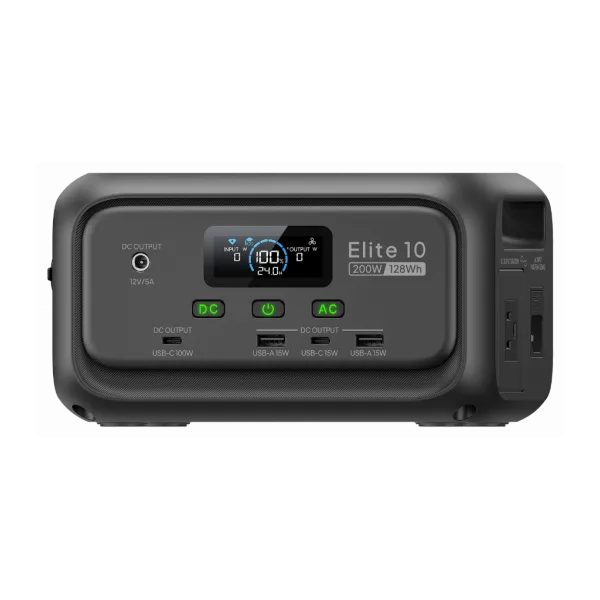 BLUETTI Elite 10 Mini BLUETTI Elite 10 Mini | 128Wh | 200W | LiFePO4 | $119 | $0.93 |
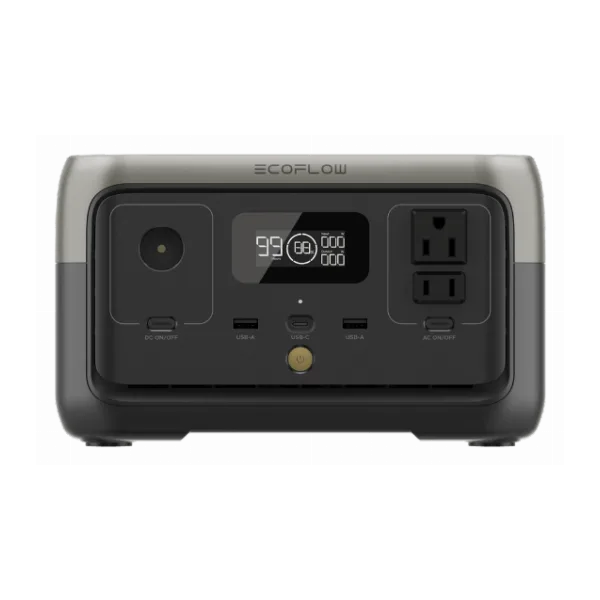 EcoFlow RIVER 2 (240) EcoFlow RIVER 2 (240) | 240Wh | 300W | LiFePO4 | $199 | $0.83 |
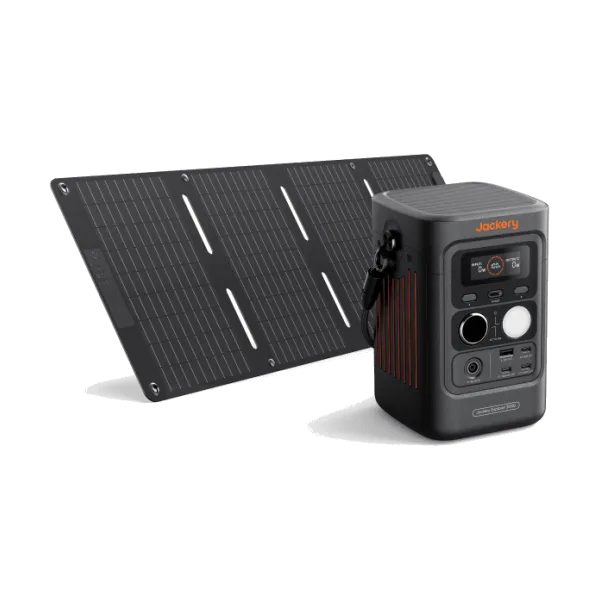 Jackery Explorer 300D Jackery Explorer 300D | 300Wh | — | LiFePO4 | $289 | $0.96 |
Cheapest first, one model per brand, from 16 we track in this class.
600–1,200Wh — the common bracket
| Model | Capacity | Output | Chemistry | Price | Per Wh |
|---|---|---|---|---|---|
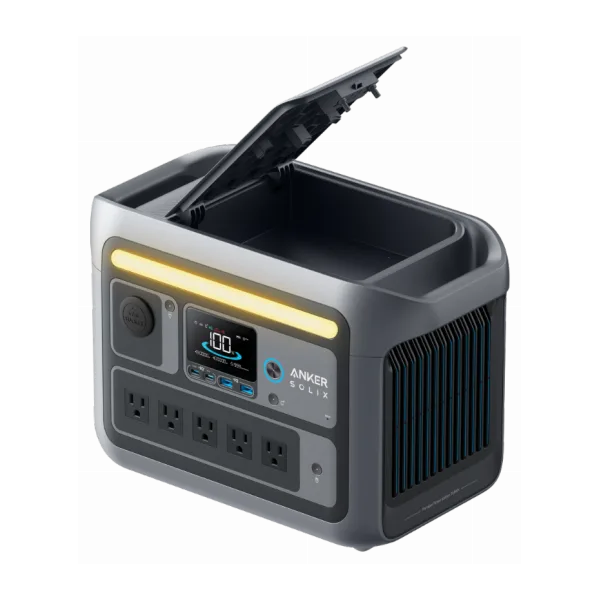 Anker SOLIX C800 Anker SOLIX C800 | 768Wh | 1,200W | LiFePO4 | $314 | $0.41 |
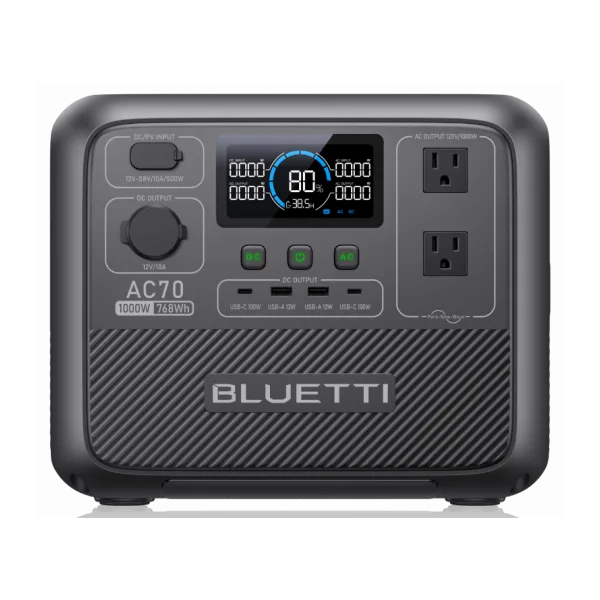 BLUETTI AC70 BLUETTI AC70 | 768Wh | 1,000W | LiFePO4 | $359 | $0.47 |
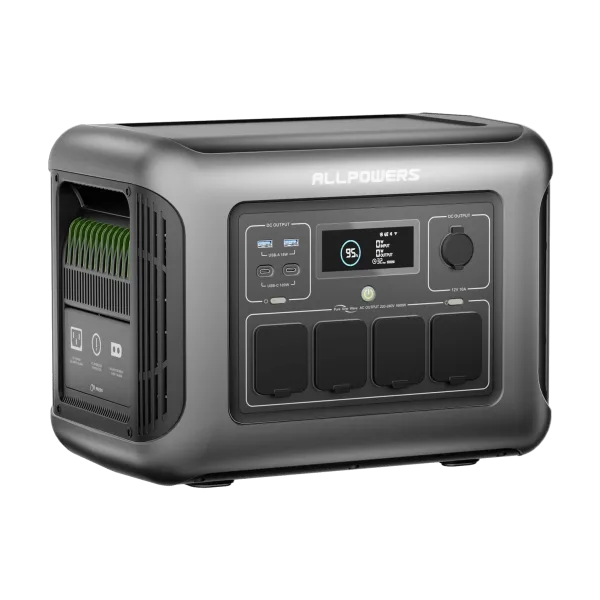 ALLPOWERS R1500 LITE ALLPOWERS R1500 LITE | 1,056Wh | 1,600W | LiFePO4 | $389 | $0.37 |
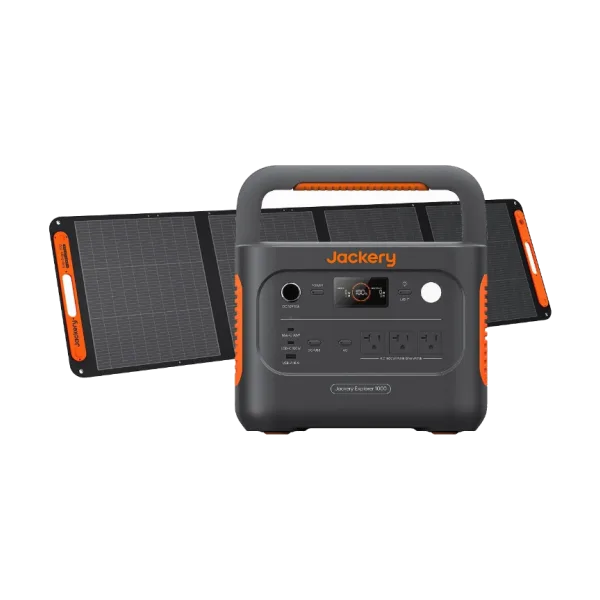 Jackery Explorer 1000 v2 Jackery Explorer 1000 v2 | 1,070Wh | 1,500W | LiFePO4 | $519 | $0.49 |
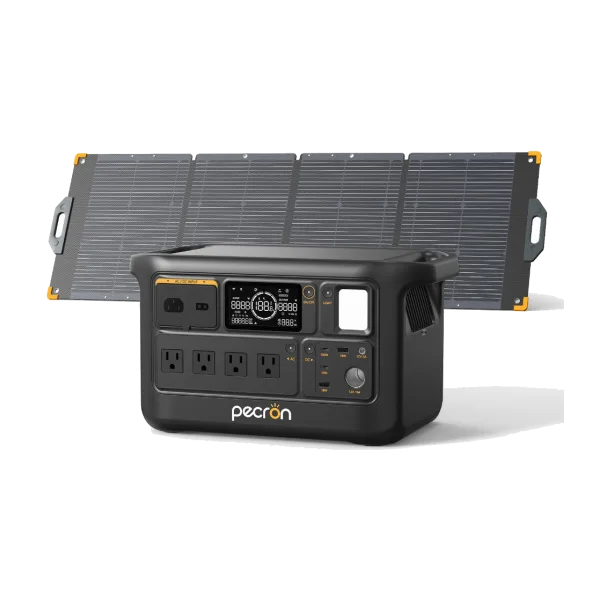 Pecron F1000LFP 1500W 960Wh Pecron F1000LFP 1500W 960Wh | 960Wh | 1,500W | LiFePO4 | $538 | $0.56 |
Cheapest first, one model per brand, from 23 we track in this class.
1,200–2,600Wh — a day of the essentials
| Model | Capacity | Output | Chemistry | Price | Per Wh |
|---|---|---|---|---|---|
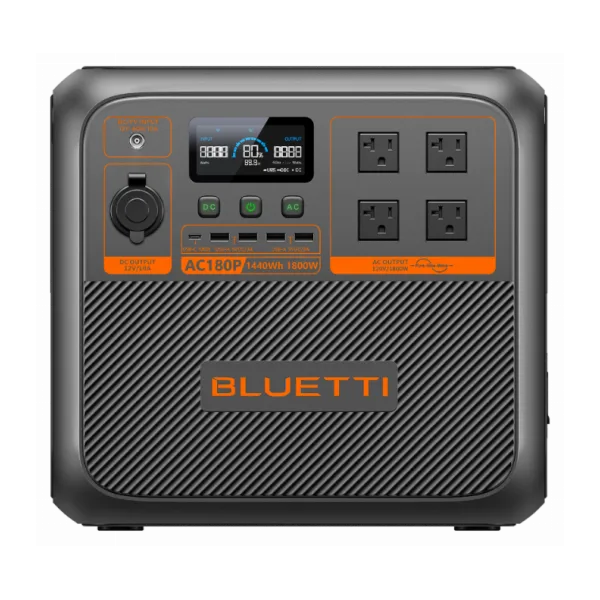 BLUETTI AC180P BLUETTI AC180P | 1,440Wh | 1,800W | LiFePO4 | $649 | $0.45 |
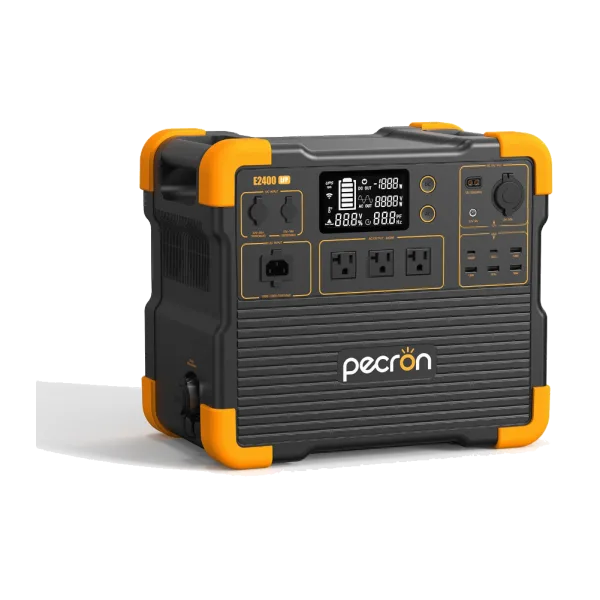 Pecron E2400LFP 2400W 2048Wh Pecron E2400LFP 2400W 2048Wh | 2,048Wh | 2,400W | LiFePO4 | $649 | $0.32 |
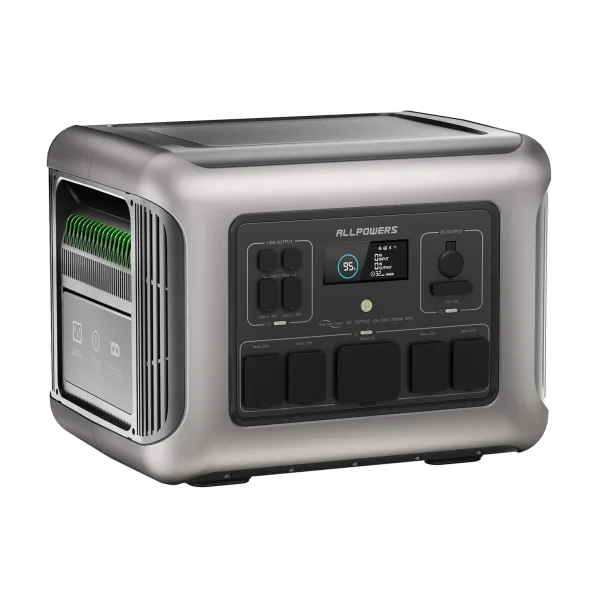 ALLPOWERS R2500 V2 ALLPOWERS R2500 V2 | 1,920Wh | 2,500W | LiFePO4 | $659 | $0.34 |
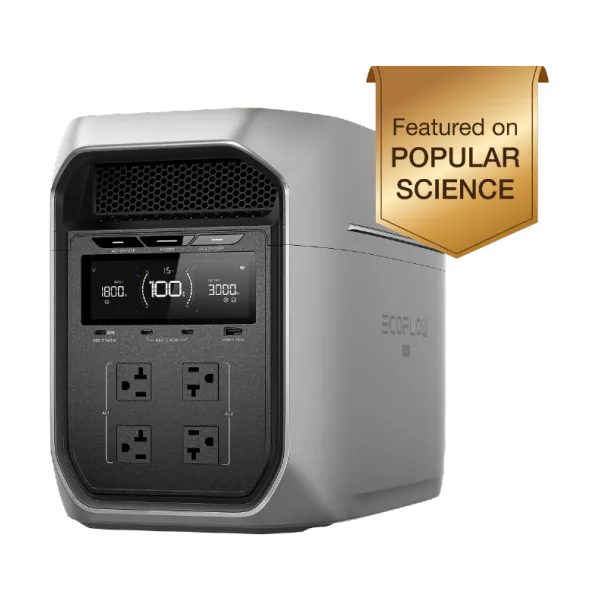 EcoFlow DELTA 3 Max Series (2048Wh) EcoFlow DELTA 3 Max Series (2048Wh) | 2,048Wh | 3,000W | LiFePO4 | $799 | $0.39 |
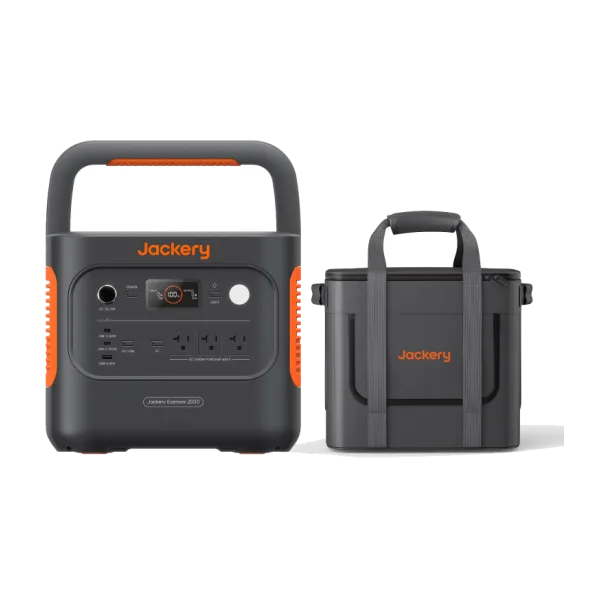 Jackery Explorer 2000 v2 Jackery Explorer 2000 v2 | 2,042Wh | 2,200W | LiFePO4 | $899 | $0.44 |
Cheapest first, one model per brand, from 14 we track in this class.
2,600Wh and up — multi-day
| Model | Capacity | Output | Chemistry | Price | Per Wh |
|---|---|---|---|---|---|
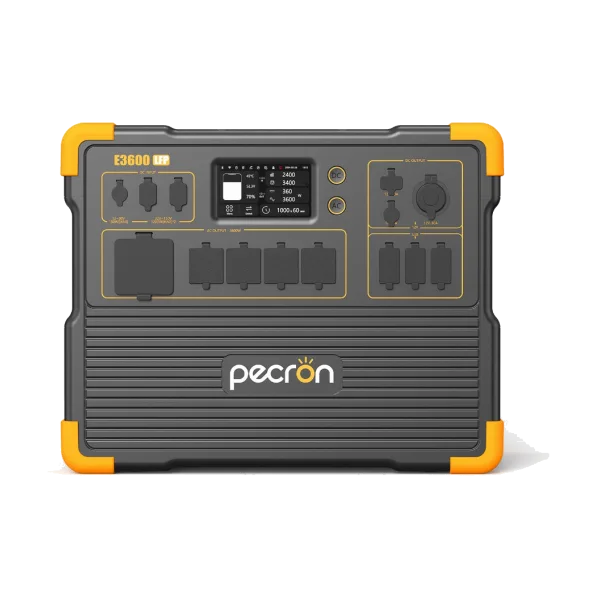 Pecron E3600LFP 3600W 3072Wh Pecron E3600LFP 3600W 3072Wh | 3,072Wh | 3,600W | LiFePO4 | $999 | $0.33 |
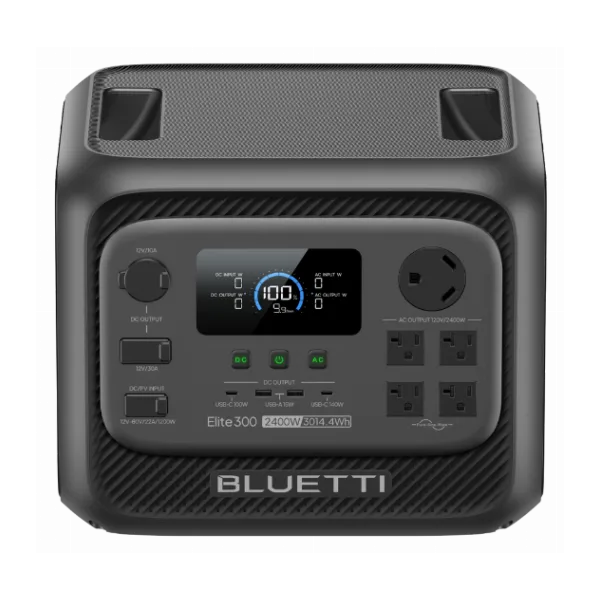 BLUETTI Elite 300 BLUETTI Elite 300 | 3,014Wh | 2,400W | LiFePO4 | $1,099 | $0.36 |
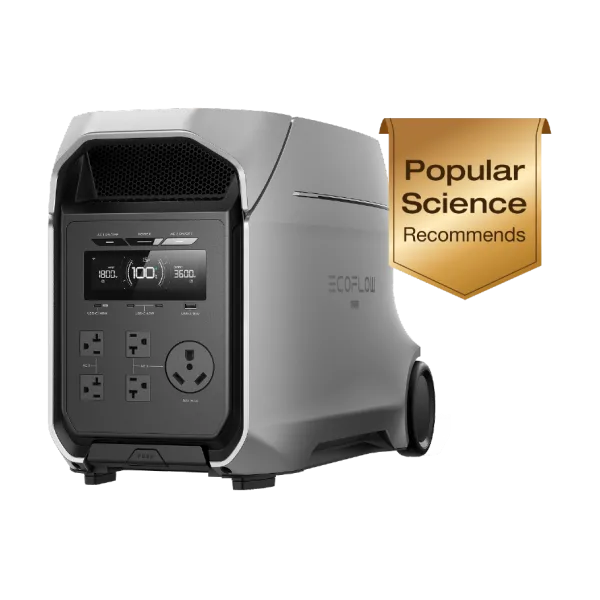 EcoFlow DELTA 3 Ultra Series (3072Wh) EcoFlow DELTA 3 Ultra Series (3072Wh) | 3,072Wh | 3,600W | LiFePO4 | $1,399 | $0.46 |
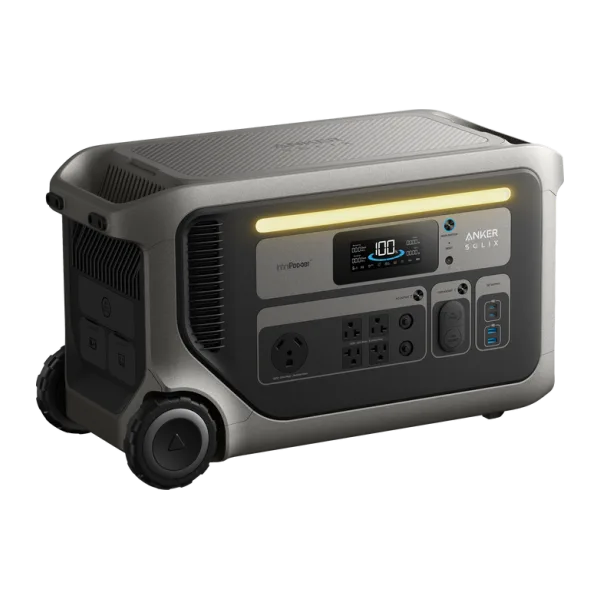 Anker SOLIX F3000 Anker SOLIX F3000 | 3,072Wh | 3,600W | LiFePO4 | $1,399.99 | $0.46 |
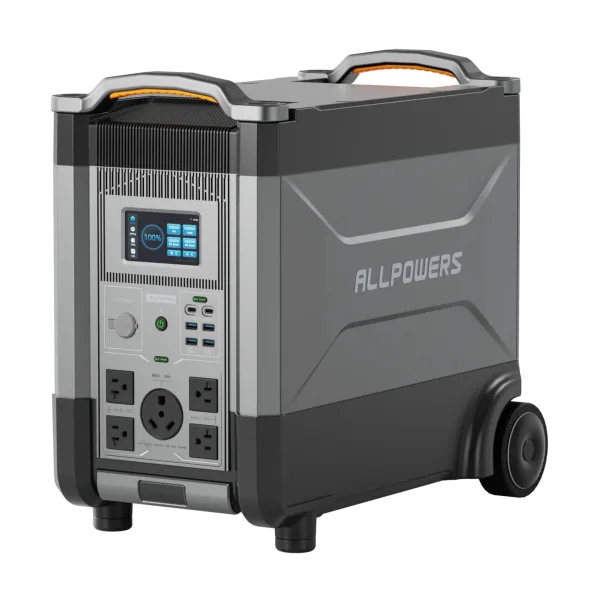 ALLPOWERS R4000 ALLPOWERS R4000 | 3,456Wh | 3,600W | LiFePO4 | $1,899 | $0.55 |
Cheapest first, one model per brand, from 16 we track in this class.
Home backup systems
| Model | Capacity | Output | Chemistry | Price | Per Wh |
|---|---|---|---|---|---|
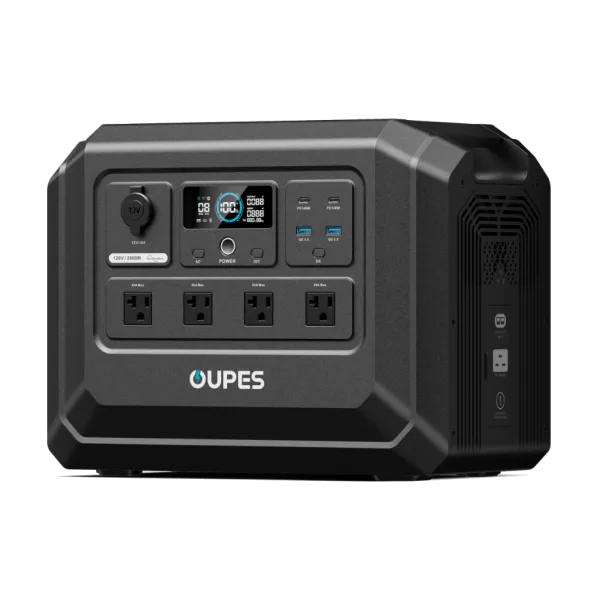 OUPES Mega 1 Lite Home Backup OUPES Mega 1 Lite Home Backup | 1,024Wh | 2,000W | LiFePO4 | $489 | $0.48 |
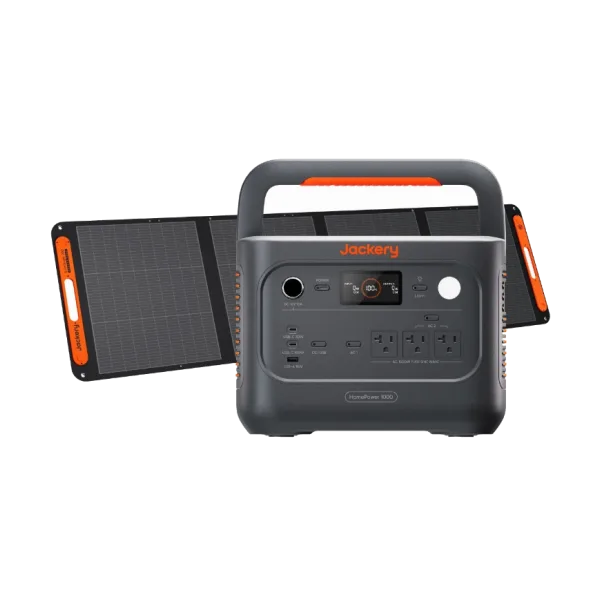 Jackery HomePower 1000 v2 Jackery HomePower 1000 v2 | 1,024Wh | 1,500W | LiFePO4 | $579 | $0.57 |
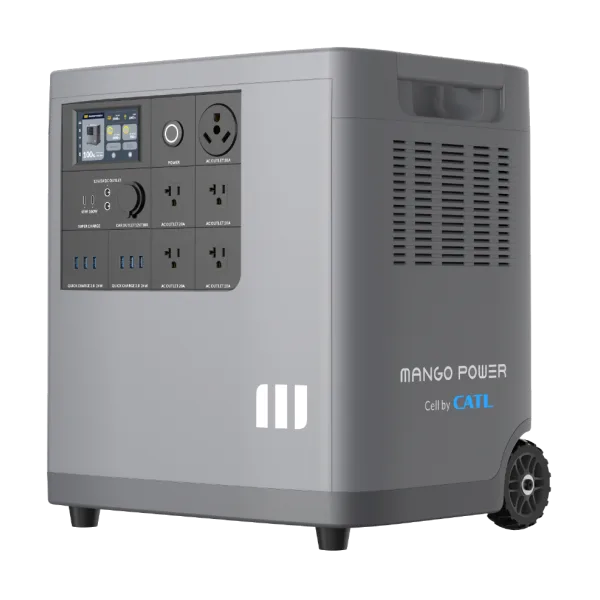 Mango Power E Home Backup Mango Power E Home Backup | 3,533Wh | 3,000W | LiFePO4 | $1,299 | $0.37 |
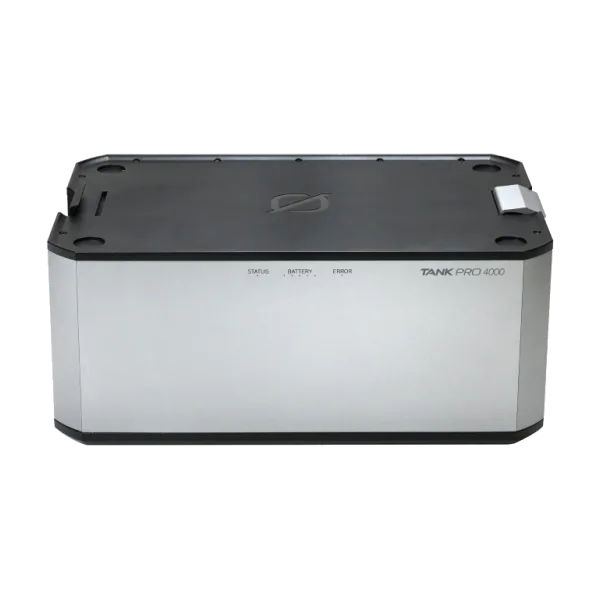 Goal Zero 16 kWh Haven Home Backup Goal Zero 16 kWh Haven Home Backup | 16,000Wh | 375W | LiFePO4 | $10,999 | $0.69 |
Cheapest first, one model per brand, from 12 we track in this class.
Questions
Is LiFePO4 worth paying more for?
Almost always, because you are buying cycles rather than capacity. A LiFePO4 pack rated 3,000 cycles reaches 80% health after roughly eight years of weekly use. An older lithium-ion pack at 500 cycles is there in under two.
What is the downside of LiFePO4?
Weight, and a little less energy per kilogram. For anything that lives in a van, a garage or a cupboard that does not matter. For something carried in a rucksack it can, which is why the very smallest units still use lithium-ion.
How long does a LiFePO4 power station last?
Cycle rating divided by how often you use it, roughly. At 3,000 cycles and one full discharge a week that is about fifty years of camping, or about eight years of daily off-grid use. In practice the electronics or the ports usually give out first.
How we work these out
Runtimes are capacity multiplied by 0.85 and divided by the load, the same arithmetic used on every review, comparison and guide on this site, so the numbers agree wherever you meet them. Capacities, outputs, chemistries and prices are the manufacturers’ own, held in the catalogue of 458 products we track. Expansion batteries are excluded throughout even where their specifications would qualify them, because they do nothing without a host unit.