
The number that matters
A full-size fridge averages 100–200W, not the 700W printed on the back. The plate figure is what the compressor draws while running, and a fridge runs its compressor perhaps a third of the time.
What that means practically: to carry a fridge through a full 24-hour outage you want about 2,000Wh. Anything around 1,000Wh gets you an evening, not a day.
Output matters as much as capacity. A compressor briefly pulls two to three times its running wattage on startup. A battery with a small inverter can have plenty of stored energy and still trip. Look for at least 1,800W continuous.
Runtimes by model
| Station | Capacity | Fridge runtime |
|---|---|---|
| EcoFlow Delta 2 | 1,024Wh | ~6 hours |
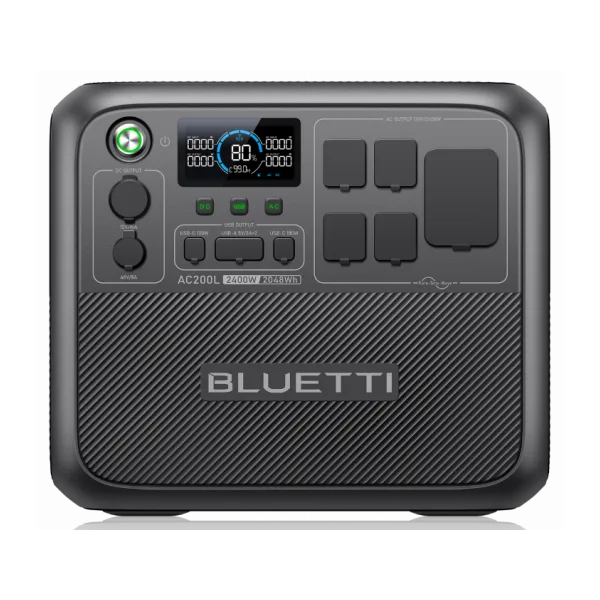 Bluetti AC200L Bluetti AC200L | 2,048Wh | ~11 hours |
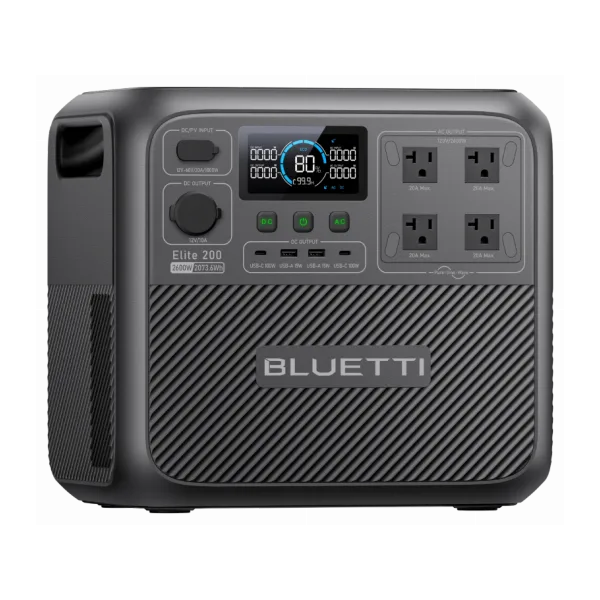 Bluetti Elite 200 V2 Bluetti Elite 200 V2 | 2,073Wh | ~11 hours |
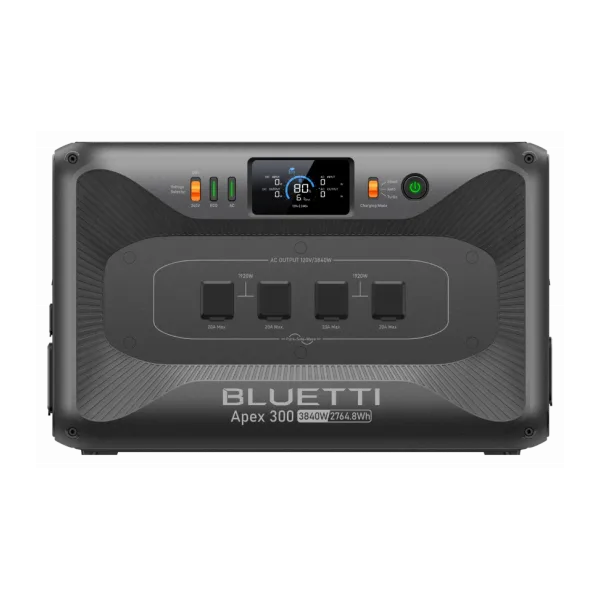 Bluetti Apex 300 Bluetti Apex 300 | 2,764Wh | ~15 hours |
Assumes 150W average and 85% usable capacity. An older fridge will be worse; a modern efficient one better.
Three ways to make it last longer
- Stop opening it. A closed fridge holds temperature for hours. Every opening forces a cooling cycle.
- Fill the empty space with water bottles. Cold mass holds temperature far better than air.
- Recharge from solar during the day so the battery only covers the night — see how to size a solar system.
What to buy
For a fridge alone through one night, 1,000Wh will do. For a fridge plus lights, internet and phones through a full day, go to 2,000Wh — the Bluetti AC200LCheck price at BLUETTI is the standard answer. For multi-day outages buy expandable, like the Apex 300Check price at BLUETTI.
Full method: how many watts a refrigerator uses, or use the picker.