

Top pick
Anker SOLIX C800 — 768Wh and 1,200W at $314.
The cheapest unit we track that genuinely belongs in this bracket. The full shortlist, and what the label actually means, are below.
Manufacturer price at the time of writing. We may earn a commission, which never changes what the figures say.
The short answer
This is the bracket where portability and usefulness still overlap. Around 1,500W of output runs a kettle or a microwave, and around 1,500Wh covers a night of camping or an evening without power. Above this the units stop being things you carry with one hand, and below it the heavier appliances start dropping off the list.
Watts or watt-hours?
These are different measurements and the market uses the same number for both. 1,500W is a rate — how much the inverter can deliver at once, which decides what you can plug in. 1,500Wh is a quantity — how much energy is stored, which decides how long it lasts. A unit can have one without the other, and most do.
| Reading | What it tells you | Who needs it |
|---|---|---|
| 1,500W output | The largest appliance it will start | Anyone running power tools, pumps or kitchen appliances |
| 1,500Wh capacity | How long it runs before it is flat | Anyone covering an outage or camping trip |
Rated around 1,500W of output
| Model | Capacity | Output | Chemistry | Price | Per Wh |
|---|---|---|---|---|---|
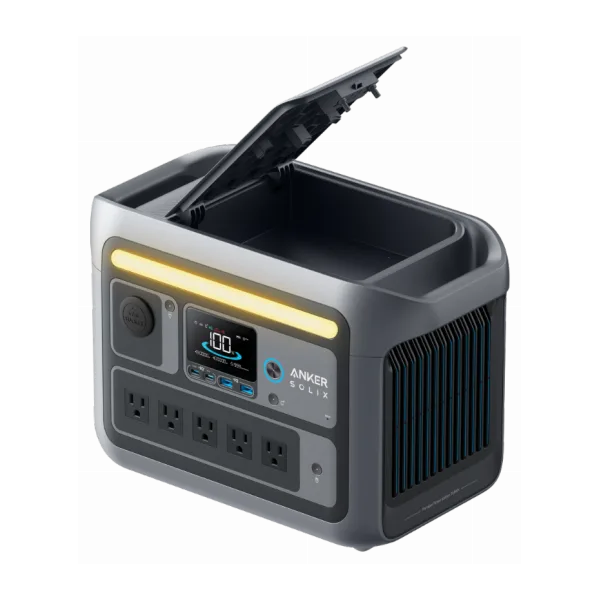 Anker SOLIX C800 Anker SOLIX C800 | 768Wh | 1,200W | LiFePO4 | $314 | $0.41 |
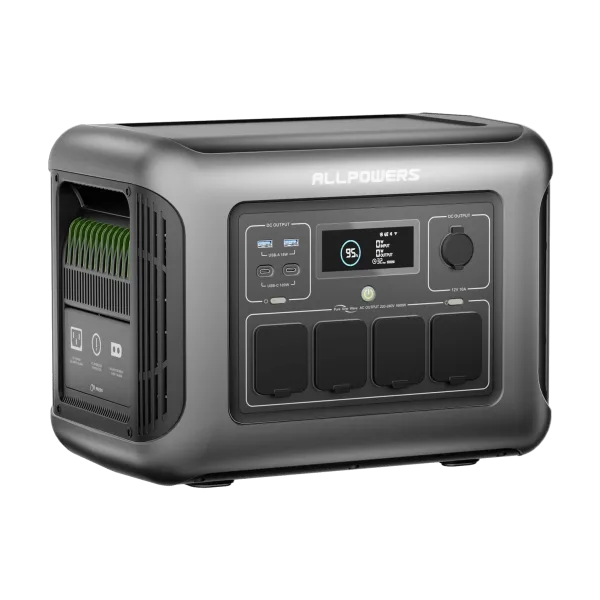 ALLPOWERS R1500 LITE ALLPOWERS R1500 LITE | 1,056Wh | 1,600W | LiFePO4 | $389 | $0.37 |
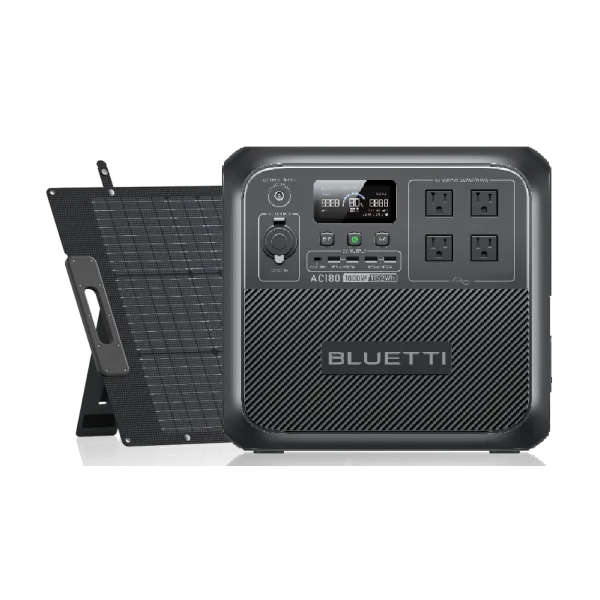 BLUETTI AC180 BLUETTI AC180 | 1,152Wh | 1,800W | LiFePO4 | $449 | $0.39 |
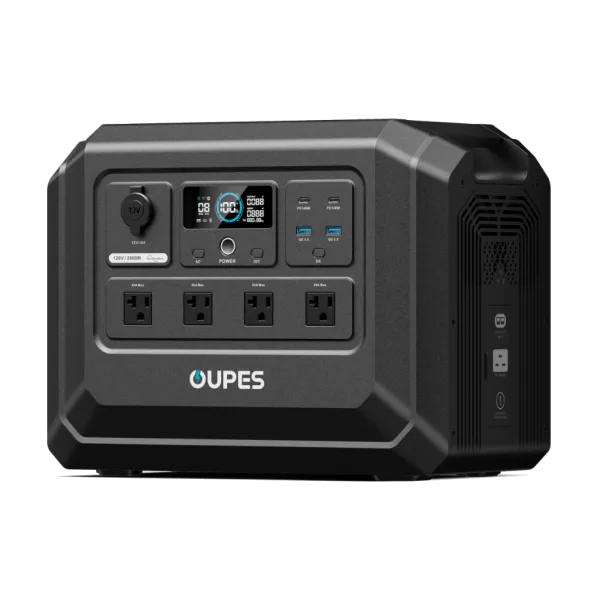 OUPES Mega 1 Lite Home Backup OUPES Mega 1 Lite Home Backup | 1,024Wh | 2,000W | LiFePO4 | $489 | $0.48 |
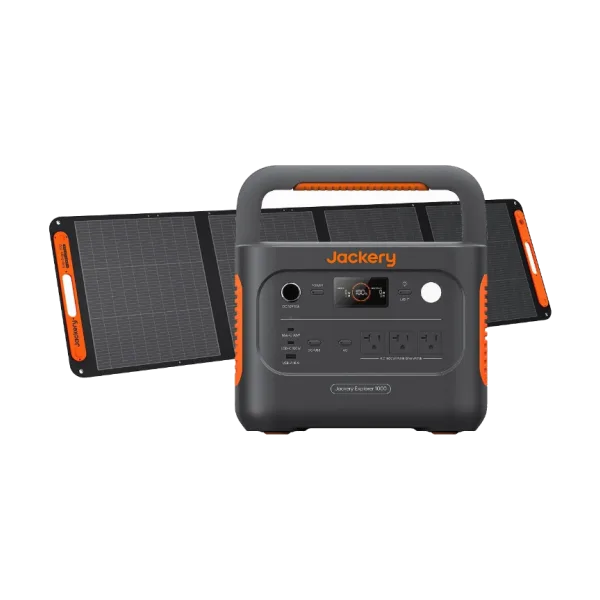 Jackery Explorer 1000 v2 Jackery Explorer 1000 v2 | 1,070Wh | 1,500W | LiFePO4 | $519 | $0.49 |
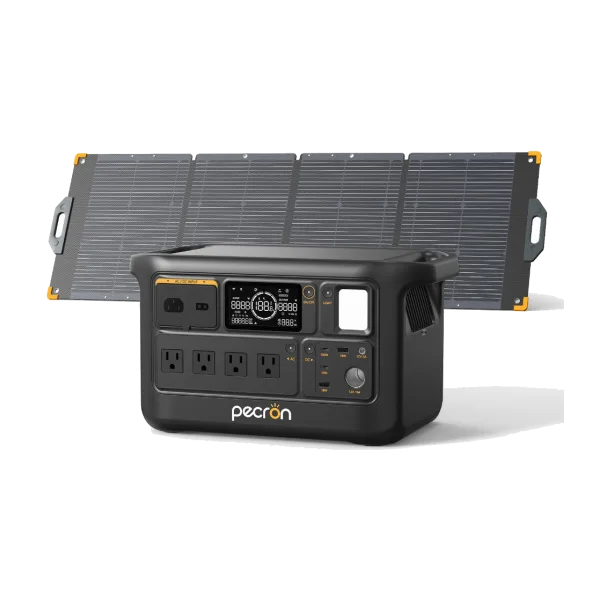 Pecron F1000LFP 1500W 960Wh Pecron F1000LFP 1500W 960Wh | 960Wh | 1,500W | LiFePO4 | $538 | $0.56 |
Cheapest first, one model per brand. These deliver roughly 1,500W continuously, so the question they answer is what you can plug in, not how long it lasts.
Holding around 1,500Wh of energy
| Model | Capacity | Output | Chemistry | Price | Per Wh |
|---|---|---|---|---|---|
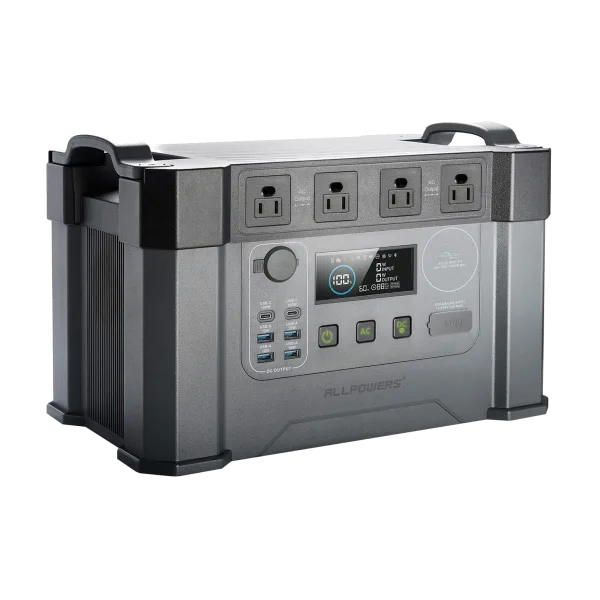 ALLPOWERS S2000 Pro ALLPOWERS S2000 Pro | 1,451Wh | 2,400W | NMC | $549 | $0.38 |
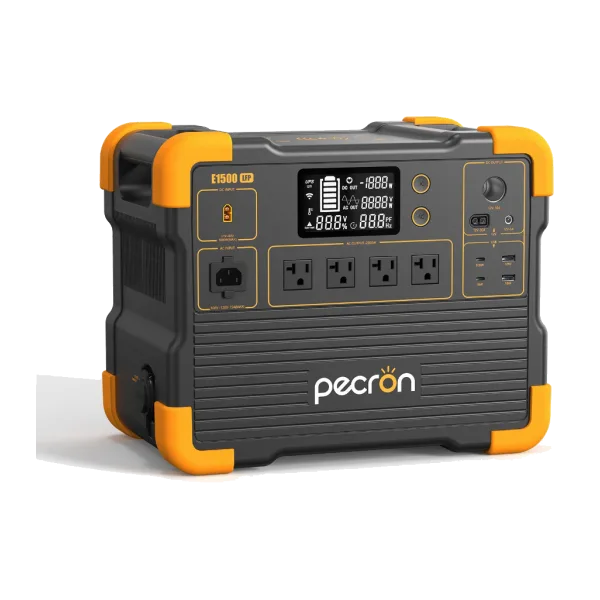 Pecron E1500LFP Expandable 2200W 1536Wh V3 Pecron E1500LFP Expandable 2200W 1536Wh V3 | 1,536Wh | 2,200W | LiFePO4 | $549 | $0.36 |
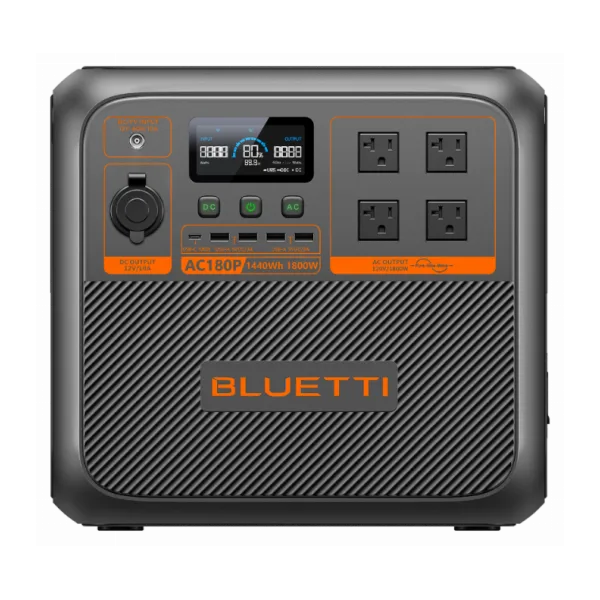 BLUETTI AC180P BLUETTI AC180P | 1,440Wh | 1,800W | LiFePO4 | $649 | $0.45 |
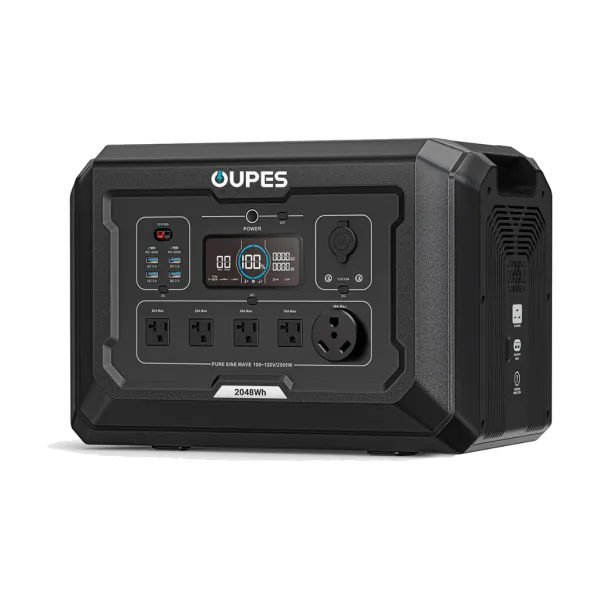 OUPES Mega 2 Home Backup OUPES Mega 2 Home Backup | 2,048Wh | 2,500W | LiFePO4 | $699 | $0.34 |
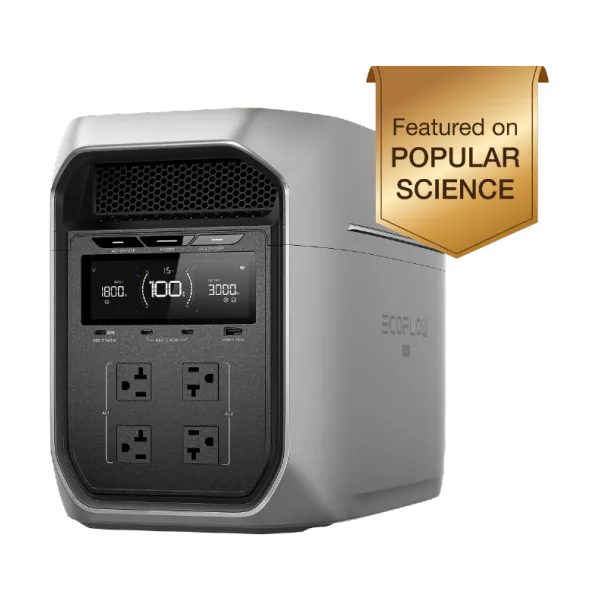 EcoFlow DELTA 3 Max Series (2048Wh) EcoFlow DELTA 3 Max Series (2048Wh) | 2,048Wh | 3,000W | LiFePO4 | $799 | $0.39 |
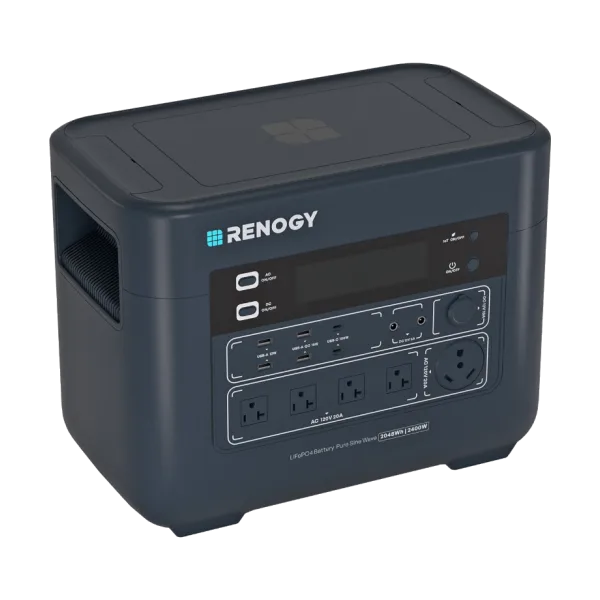 Renogy 2000 Renogy 2000 | 2,048Wh | 2,400W | LiFePO4 | $799 | $0.39 |
Cheapest first, one model per brand. These store roughly 1,500Wh, so the question they answer is how long you last, not what you can start.
What 1,500Wh actually runs
| Appliance | Draw | Runtime from 1,500Wh |
|---|---|---|
| Router and modem | 10W | 128 hr |
| CPAP machine | 40W | 32 hr |
| Fridge (average) | 50W | 26 hr |
| 55-inch television | 90W | 14 hr 10 min |
| Microwave | 1,000W | 1 hr 16 min |
| Space heater | 1,500W | 51 min |
Capacity multiplied by 0.85 to allow for what the inverter loses turning DC into AC, then divided by the load. The heating loads at the bottom are the point: they are not a battery job, whatever the bracket.
Questions
What can a 1500 watt solar generator run?
A fridge, lights, laptops, phones, a television and a microwave in bursts. What it will not do is run a space heater or an air conditioner for any useful length of time, because both consume more in an hour than the battery holds.
How long will 1500Wh last?
Divide by the load and take 15% off for inverter losses. A 50W fridge gets roughly a day, a 90W television about fourteen hours, a 1,500W kettle under an hour. The load decides everything at this size.
Is 1500W enough for camping?
For most people it is more than enough. A typical camp draw of lights, charging and a cool box sits near 60W, which this bracket runs for the better part of a day before needing sun.
How we work these out
Runtimes are capacity multiplied by 0.85 and divided by the load, the same arithmetic used on every review, comparison and guide on this site, so the numbers agree wherever you meet them. Capacities, outputs, chemistries and prices are the manufacturers’ own, held in the catalogue of 458 products we track. Expansion batteries are excluded throughout even where their specifications would qualify them, because they do nothing without a host unit.